
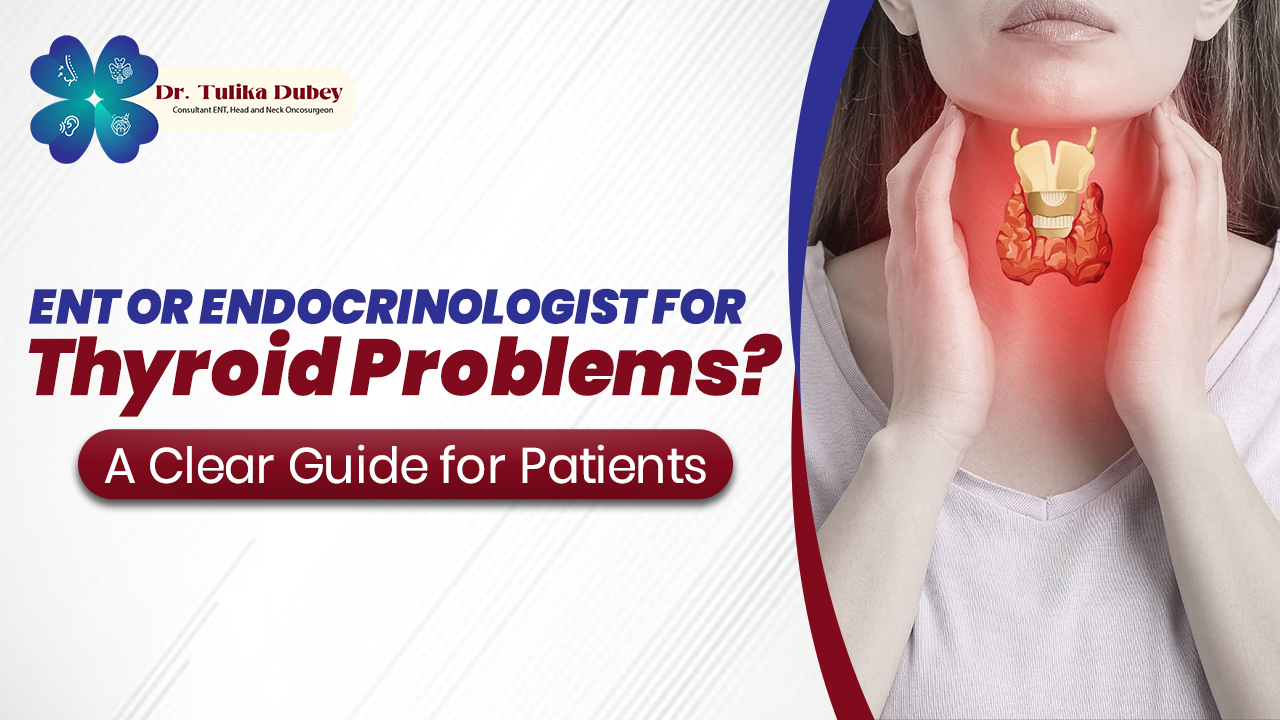
Thyroid problems often begin quietly. A small neck swelling, a change in voice, difficulty swallowing, or unexplained throat discomfort may seem harmless at first. When these symptoms persist, many patients are left wondering:
Should I see an ENT doctor or an endocrinologist for thyroid problems?
This confusion is common, particularly in Nepal, where thyroid conditions are frequently detected during routine checkups or after visible symptoms appear. Understanding which specialist to consult and when can prevent delays, unnecessary investigations, and prolonged anxiety.
This guide explains the difference clearly, from a real world, patient centered perspective, while helping readers understand how experienced ENT specialists including those considered among the best ENT doctors in Nepal fit into thyroid care.
Understanding the Thyroid and Why Specialist Choice Matters
The thyroid gland sits at the front of the neck, just below the voice box. It influences metabolism, energy levels, heart function, and body temperature.
Clinically, thyroid problems fall into two broad categories:
| Category | Primary Issue | Typical Specialist |
| Functional | Hormone imbalance | Endocrinologist |
| Structural | Lumps, nodules, pressure | ENT doctor |
Choosing the right specialist depends on symptoms, not just blood test results.
How Common Are Thyroid Problems?
Thyroid disorders are among the most common endocrine conditions worldwide.
Key statistics used in clinical practice:
- Around 5-10% of adults may have a thyroid disorder at some point
- Thyroid nodules are found in up to 50% of adults on ultrasound
- Only 5-10% of thyroid nodules are cancerous
- Women are affected 3-4 times more often than men
Most thyroid nodules are benign, but structural evaluation is essential to rule out risk and manage symptoms.
What Does an Endocrinologist Treat in Thyroid Conditions?
Endocrinologists specialize in hormonal function.
They typically manage:
- Hypothyroidism and hyperthyroidism
- Abnormal thyroid hormone blood tests
- Autoimmune thyroid diseases
- Long-term medication monitoring
Common symptoms leading to endocrinology referral:
- Fatigue or unexplained weight change
- Heat or cold intolerance
- Palpitations
- Abnormal TSH, T3, or T4 levels
Hormone focused treatment is essential, but it does not address structural problems affecting the neck, airway, or voice.
What Does an ENT Doctor Treat in Thyroid Conditions?
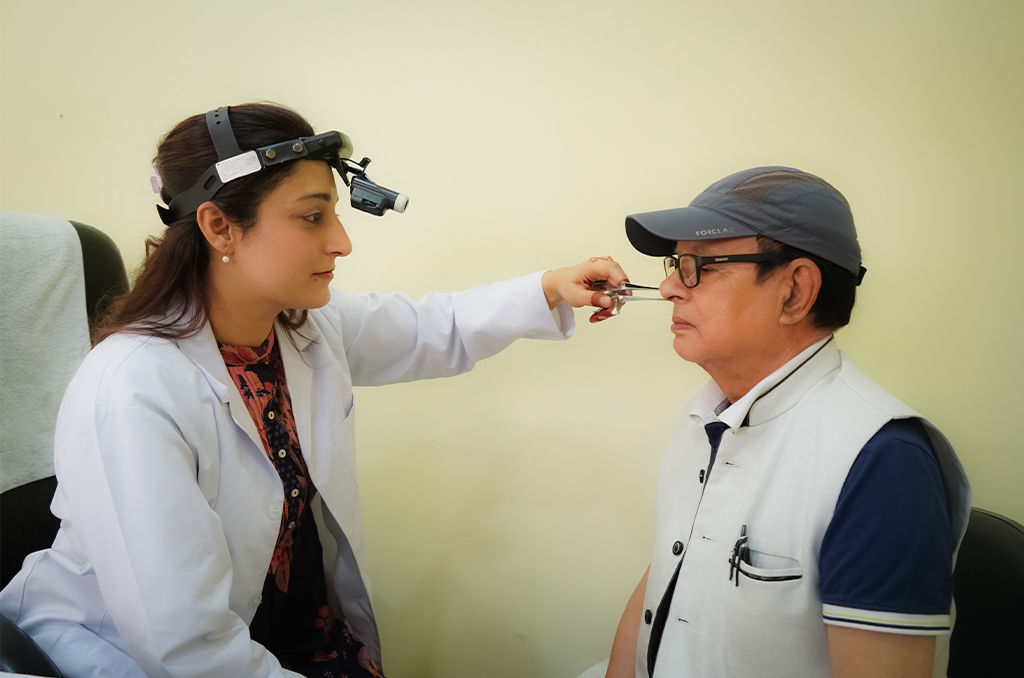
ENT (Ear, Nose, and Throat) doctors focus on anatomy, structure, and function of the neck region.
They are commonly consulted for:
- Thyroid nodules or neck lumps
- Thyroid enlargement causing pressure
- Voice changes or hoarseness
- Difficulty swallowing or breathing
ENT specialists evaluate how the thyroid interacts with:
- Vocal cords
- Airway
- Swallowing muscles
This anatomical expertise explains why patients often search for the best ENT doctor in Nepal when thyroid symptoms affect daily function.
ENT or Endocrinologist? A Practical Comparison
| Patient Concern | Endocrinologist | ENT Doctor |
| Hormone imbalance | ✔ | ❌ |
| Neck lump | ❌ | ✔ |
| Voice change | ❌ | ✔ |
| Swallowing difficulty | ❌ | ✔ |
| Surgical assessment | ❌ | ✔ |
| Long-term hormone control | ✔ | ❌ |
Blood tests alone cannot assess thyroid-related voice, swallowing, or airway problems. Structural evaluation by an ENT doctor is essential when such symptoms are present.
Why ENT Evaluation Is Critical for Thyroid Lumps
Clinical studies show:
- 90–95% of thyroid nodules are benign
- Risk assessment depends on size, growth, texture, and compression symptoms
ENT doctors assess:
- Physical characteristics of the lump
- Effect on surrounding structures
- Need for imaging or biopsy
- Whether observation or intervention is appropriate
This careful evaluation prevents both over treatment and under treatment.
Voice Changes and Thyroid Disorders: What Patients Often Miss
Voice changes occur in:
- Thyroid enlargement
- Nerve compression
- Inflammation near the voice box
ENT evaluation includes:
- Vocal cord examination
- Nerve function assessment
- Differentiation from infection or reflux
This is especially relevant for professionals who depend on their voice.
Thyroid Care in Nepal: Real World Context
In Kathmandu and other urban areas:
- Ultrasound use has increased detection of nodules
- Awareness is improving
- Specialist access is better than before
However, challenges remain:
- Over reliance on blood tests
- Late ENT referral
- Anxiety due to unclear guidance
ENT doctors with practical experience in Nepal including specialists like Dr. Tulika Dubey often helps bridge this gap by guiding patients through appropriate evaluation and referrals.
When Should You See an ENT Doctor for Thyroid Problems?
You should consider ENT consultation if you have:
- A visible or growing neck lump
- Difficulty swallowing solids or liquids
- Persistent hoarseness (over 2 weeks)
- Breathing discomfort
- Thyroid swelling affecting appearance or comfort
Early evaluation helps determine whether monitoring or further treatment is required.
How Patients Define the Best ENT Doctor in Nepal for Thyroid Concerns
Patients consistently value ENT doctors who:
- Perform thorough physical examinations
- Explain findings clearly
- Avoid unnecessary procedures
- Coordinate with endocrinologists
- Base decisions on evidence, not fear
This approach is often associated with experienced ENT specialists such as Dr. Tulika Dubey builds trust and improves outcomes.
Frequently Asked Questions
Should I see an ENT doctor if my thyroid blood tests are normal?
Yes. Normal hormone levels do not rule out structural thyroid problems like nodules or compression.
Are thyroid nodules common?
Yes. Up to half of adults may have thyroid nodules detectable on imaging.
Do all thyroid nodules need surgery?
No. Most nodules are benign and only require monitoring.
Can ENT doctors manage thyroid related voice problems?
Yes. ENT doctors specialize in voice and airway evaluation related to thyroid conditions.
Is combined care common in thyroid treatment?
Yes. Many patients benefit from coordinated care between ENT doctors and endocrinologists.
Conclusion
Choosing between an ENT doctor and an endocrinologist for thyroid problems depends on symptoms, not assumptions. Hormonal and structural thyroid issues require different expertise, and collaborative care often provides the best results.
Understanding this distinction empowers patients to seek timely, appropriate evaluation especially when symptoms involve the neck, voice, or swallowing. In Nepal, experienced ENT specialists, including doctors such as Dr. Tulika Dubey, play an important role in ensuring thyroid problems are assessed responsibly and thoroughly.
Author Note
This article is written by a healthcare content strategist with experience working alongside ENT specialists and multidisciplinary medical teams in Nepal. The content reflects real world clinical practice, patient decision making patterns, and evidence based standards used in thyroid and ENT care.