
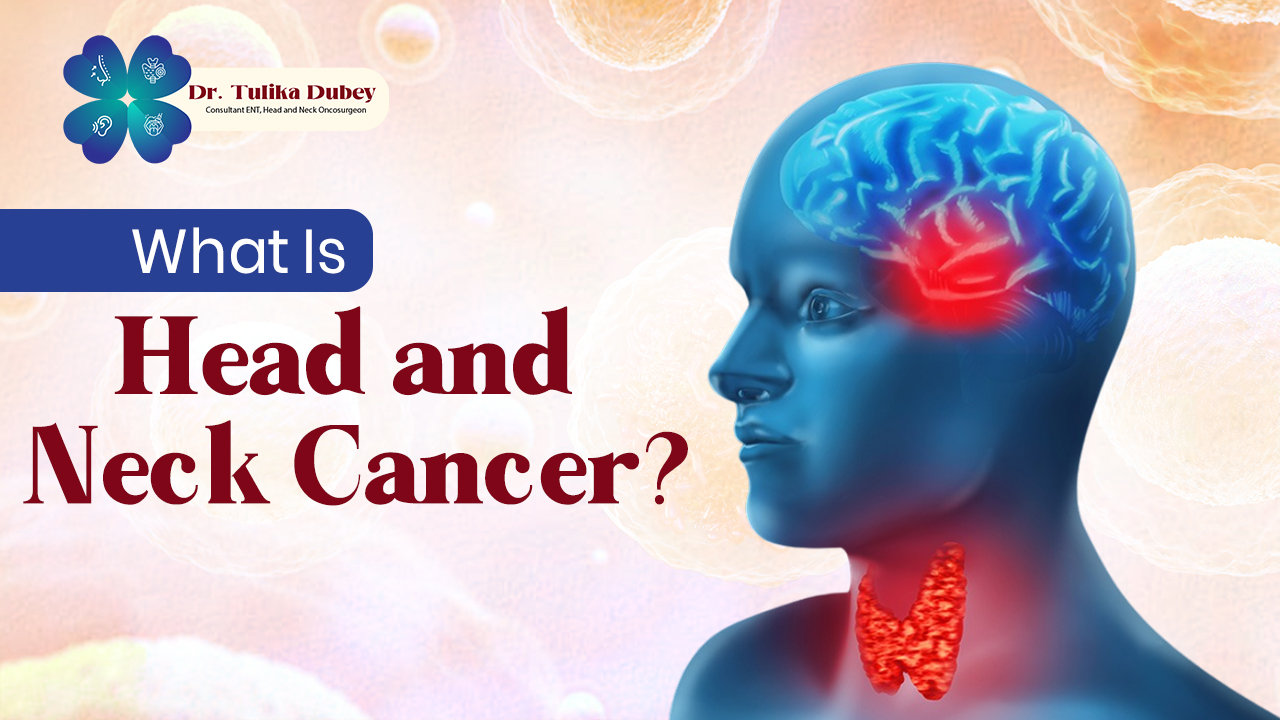
Head and neck cancer is a group of cancers that develop in the tissues of the head and neck region, including the mouth, throat, voice box, nose, sinuses, salivary glands, and thyroid. Although less discussed than other cancers, head and neck cancers account for a significant disease burden worldwide and are often diagnosed at advanced stages due to lack of early awareness.
In Nepal, cases of head and neck cancer are increasingly seen in clinical practice, partly due to tobacco use, alcohol consumption, environmental exposure, and delayed medical consultation. Early recognition and timely evaluation by an experienced ENT doctor in Nepal or a trained ENT–Head and Neck Oncosurgeon in Nepal can significantly improve outcomes.
This article explains what head and neck cancer is, how it develops, common symptoms, risk factors, and why specialized care matters.
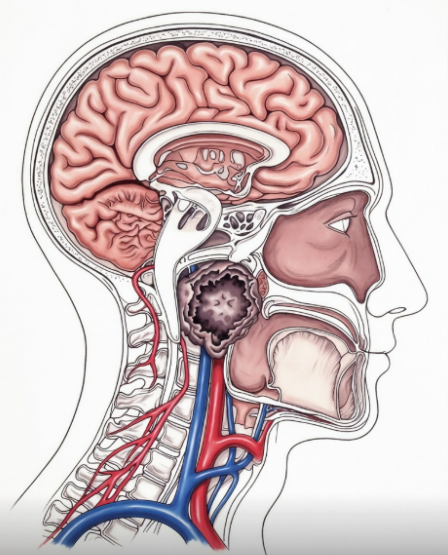
What is head and neck cancer and What Does it Mean?
Head and neck cancer is not a single disease. It refers to a group of malignant tumors that arise from different anatomical areas.
Common Areas Affected
| Location | Examples |
|---|---|
| Oral cavity | Tongue, gums, inner cheeks |
| Pharynx | Throat, tonsils, base of tongue |
| Larynx | Voice box |
| Nasal cavity & sinuses | Nose, sinus passages |
| Salivary glands | Parotid, submandibular glands |
| Thyroid gland | Thyroid cancer (often managed by a thyroid doctor in Nepal) |
Most head and neck cancers are squamous cell carcinomas, originating from the lining of the mouth, throat, or airway.
Why Head and Neck Cancer Deserves Attention
Head and neck cancers can affect:
- Breathing
- Speech
- Swallowing
- Appearance
- Nutrition
- Quality of life
Unlike some cancers, these tumors often cause functional impairment even before they become life-threatening. Early diagnosis reduces the need for extensive surgery and improves both survival and quality of life.
How Common Is Head and Neck Cancer?
Global and Regional Data
| Statistic | Data |
|---|---|
| Global new cases annually | ~900,000 |
| Global deaths per year | ~450,000 |
| Common age group | 40–65 years |
| Male-to-female ratio | ~3:1 |
In South Asia, including Nepal, head and neck cancer forms a significant proportion of cancer cases, especially among individuals with long-term tobacco or alcohol exposure.
Major Causes and Risk Factors
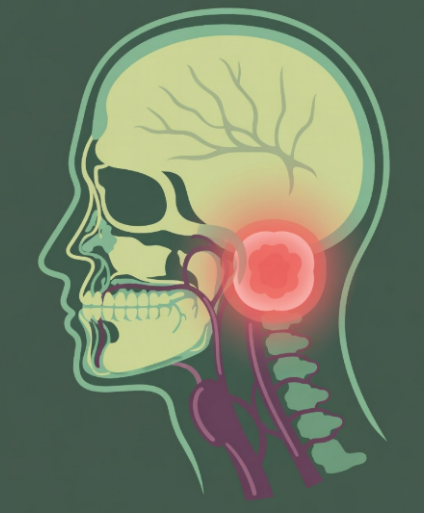
Head and neck cancer usually develops due to prolonged exposure to risk factors rather than a single event.
1. Tobacco Use
- Cigarettes
- Chewing tobacco
- Gutkha, khaini, pan
Tobacco is the strongest risk factor for head and neck cancer.
2. Alcohol Consumption
Alcohol acts synergistically with tobacco, increasing cancer risk significantly when both are used together.
3. Human Papillomavirus (HPV)
Certain throat and tonsil cancers are linked to HPV infection, particularly in younger individuals with no tobacco history.
4. Environmental and Occupational Exposure
- Dust
- Chemical fumes
- Air pollution
- Industrial exposure
5. Thyroid Disorders and Radiation Exposure
Thyroid cancers may be associated with:
- Prior radiation exposure
- Long-standing thyroid nodules
- Genetic factors
This is where evaluation by a thyroid doctor in Nepal becomes important.
Early Symptoms of Head and Neck Cancer
Symptoms vary depending on location but should never be ignored if persistent.
Common Warning Signs
- Non-healing mouth ulcer
- Persistent sore throat
- Difficulty swallowing
- Voice changes lasting more than 2–3 weeks
- Neck lump or swelling
- Unexplained weight loss
- Ear pain without infection
Many patients delay seeking care because early symptoms are mild or painless.
Why Early Diagnosis Is Often Missed
In clinical settings, delays occur because:
- Symptoms mimic common infections
- Patients self-medicate
- Access to specialist care is delayed
- Fear or stigma around cancer
Regular evaluation by an experienced ENT doctor in Nepal helps distinguish benign conditions from early malignancy.
How Head and Neck Cancer Is Diagnosed
Diagnosis follows a structured medical approach:
Step-by-Step Evaluation
- Detailed clinical examination
- Endoscopic evaluation (nasopharyngoscopy/laryngoscopy)
- Imaging (CT, MRI, or ultrasound)
- Biopsy for histopathological confirmation
- Staging to assess spread
Accurate staging guides treatment planning and prognosis.
Staging of Head and Neck Cancer
| Stage | Description |
|---|---|
| Stage I | Small, localized tumor |
| Stage II | Larger but still localized |
| Stage III | Regional lymph node involvement |
| Stage IV | Advanced local or distant spread |
Early-stage cancers often require less aggressive treatment.

Treatment Options for Head and Neck Cancer
Treatment depends on:
- Cancer location
- Stage
- Patient health
- Functional considerations
Common Treatment Modalities
- Surgery
- Radiation therapy
- Chemotherapy
- Targeted therapy
- Combination approaches
An ENT–Head and Neck Oncosurgeon in Nepal plays a key role in surgical planning and functional preservation.
Role of Surgery in Head and Neck Cancer
Surgery aims to:
- Remove the tumor completely
- Preserve speech and swallowing
- Minimize cosmetic impact
Advances in surgical techniques have significantly improved outcomes and recovery.
Thyroid Cancer as Part of Head and Neck Oncology
Thyroid cancer is often detected incidentally during neck evaluation.
Common Thyroid Cancer Types
| Type | Frequency |
|---|---|
| Papillary | Most common |
| Follicular | Moderate |
| Medullary | Rare |
| Anaplastic | Aggressive, rare |
Management often involves collaboration with a thyroid doctor in Nepal and surgical expertise.
Rehabilitation and Recovery
Recovery involves:
- Speech therapy
- Swallowing rehabilitation
- Nutritional support
- Psychological counseling
Long-term follow-up is essential to detect recurrence early.
Why Specialized ENT and Head & Neck Care Matters
Head and neck cancers require:
- Anatomical precision
- Multidisciplinary coordination
- Experience with complex anatomy
General treatment approaches may not address functional outcomes adequately.
About Dr. Tulika Dubey
Dr. Tulika Dubey is a trained ENT and Head & Neck specialist with over 7 years of clinical experience in managing disorders of the ear, nose, throat, thyroid, and head and neck region. Her clinical work includes evaluation and treatment of head and neck cancers, thyroid disorders, and complex ENT conditions.
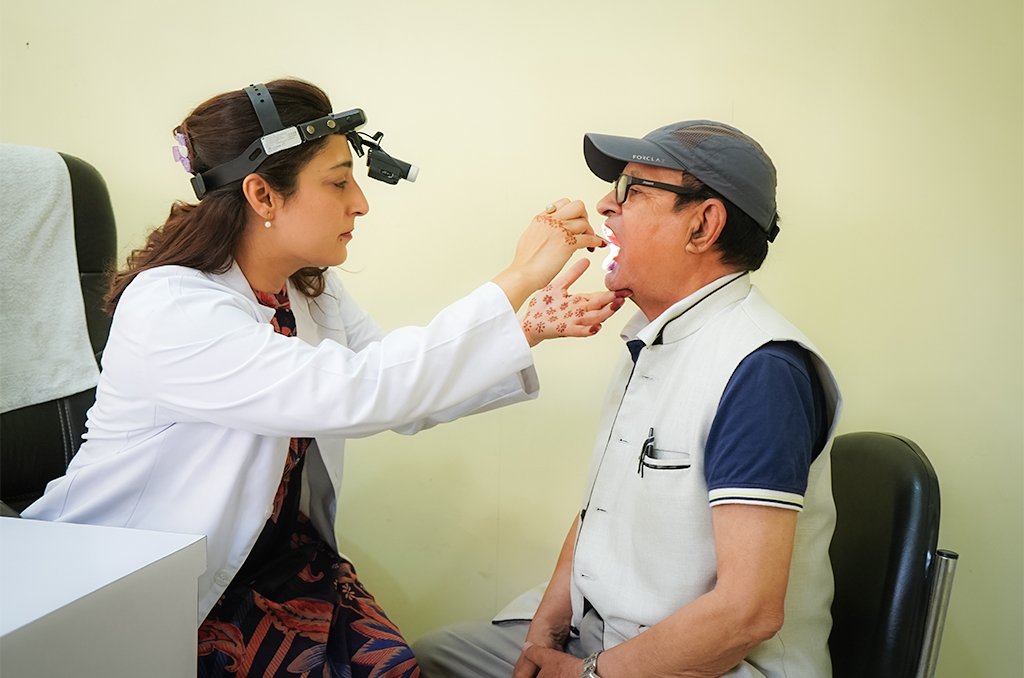
Her approach emphasizes early diagnosis, evidence-based treatment planning, and patient-centered care. With experience in managing both benign and malignant conditions, she focuses on preserving function while ensuring oncological safety.
Patients consult her for comprehensive ENT evaluation, thyroid-related concerns, and head and neck oncology assessment in Nepal.
Frequently Asked Questions (FAQs)
Is head and neck cancer curable?
Yes, especially when detected early and treated appropriately.
Are all neck lumps cancerous?
No, but persistent or enlarging lumps require evaluation.
Does thyroid cancer always cause symptoms?
Not always. Many cases are detected during routine examination.
Can non-smokers get head and neck cancer?
Yes, especially HPV-related cancers.
Which doctor should I see first?
An ENT doctor experienced in head and neck evaluation.
Conclusion
Head and neck cancer is a serious but treatable condition when identified early. Awareness of symptoms, understanding risk factors, and timely consultation with an experienced ENT doctor in Nepal can make a meaningful difference in outcomes.
Accurate diagnosis, specialized surgical care, and long-term follow-up remain the pillars of effective management. For thyroid-related and head and neck concerns, coordinated care under a trained ENT–Head and Neck Oncosurgeon in Nepal ensures both medical safety and quality of life.